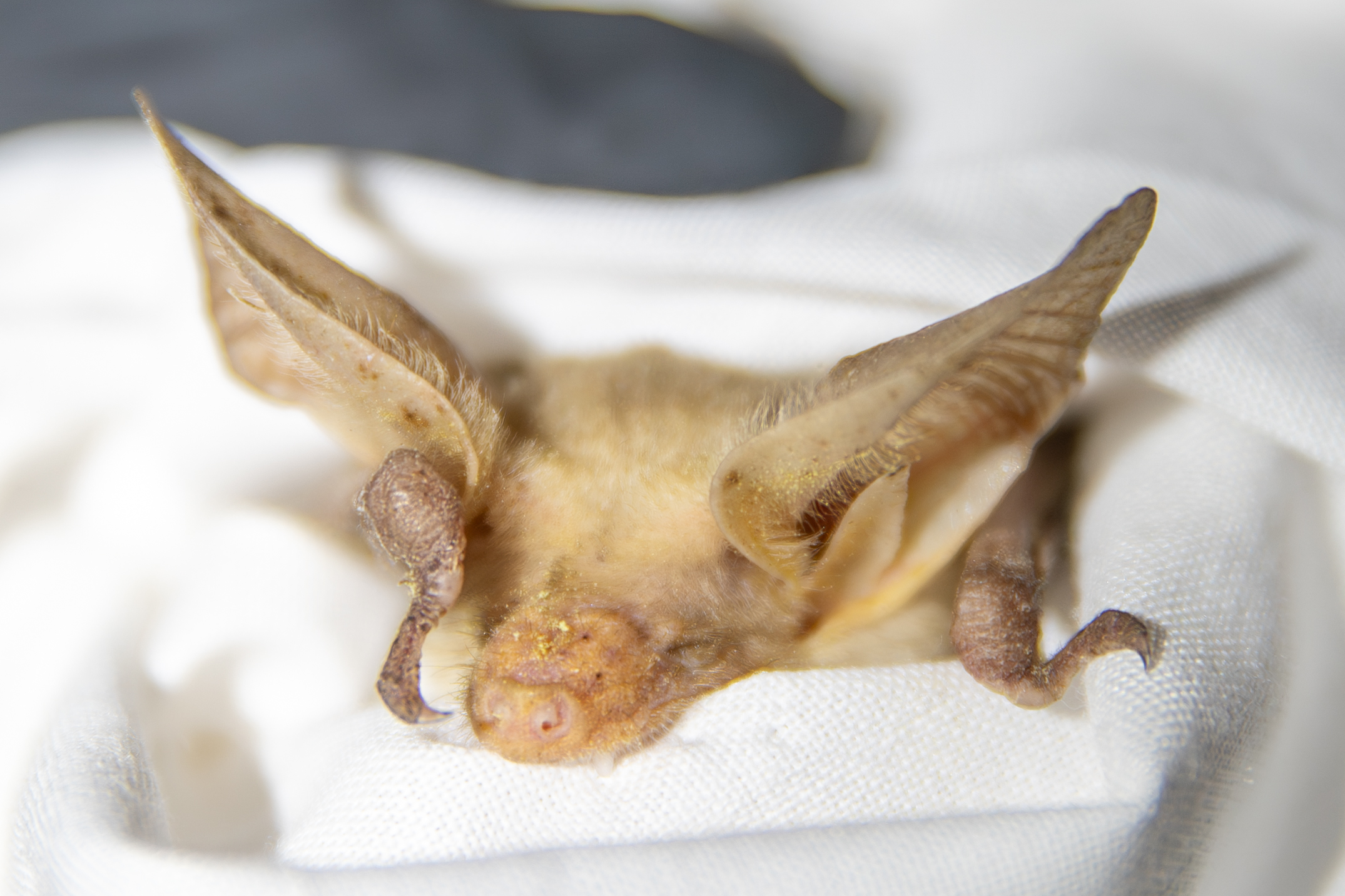
Three people and four pets were exposed to a rabid bat found near Lometa Drive and Waterside Trail in York, the South Carolina Department of Public Health (DPH) confirmed.
The bat was submitted to the DPH laboratory on Thursday, Sept. 10, and tested positive for rabies on Friday, Sept. 11, YoCo News reported. The three people have been referred to their health care providers. Two cats and two dogs will be quarantined under the state Rabies Control Act.
It is the seventh rabid animal confirmed in York County this year. The county recorded nine cases in all of 2025, putting it on pace to match or exceed that total with more than three months left in 2026.
A rabid bat found near Bailiwyck Green Boulevard and Cranborne Chase in Fort Mill exposed four people on July 20, according to WRHI. That was the county's fourth confirmed case of the year. Other confirmed cases include a rabid bat in Rock Hill, a rabid raccoon in Rock Hill and a rabid goat in Clover.
Statewide, 86 animals have tested positive for rabies in 2026. South Carolina has averaged roughly 136 cases a year since 2002 and recorded 101 in 2025.
Bat bites easy to miss
Terri McCollister, the DPH Rabies Program manager, warned that bat exposures carry a particular risk.
"People don't always realize they or a pet have been bitten since bat teeth are tiny and bites are easy to overlook," McCollister said in the Sept. 11 announcement.
DPH advises treating certain situations as a potential bite even without a visible wound: waking to find a bat in a room or tent, finding a bat near children, pets or a person unable to report contact, or having any direct contact with a bat. A bat that may have contacted people or animals should be trapped in a sealed container rather than touched or released. Once released, a bat cannot be tested.
Rabies can only be confirmed in a laboratory. Daytime activity, an inability to fly and turning up inside a house are behaviors that may signal infection.
McCollister also said stray and feral cats are a significant source of rabies exposure. Pet owners who have noticed unexplained injuries on their animals or watched them interact with strays should call their veterinarian.
How to report an exposure
A rabies exposure is defined as direct contact with saliva or nervous system tissue from an infected animal through broken skin or through the eyes, nose or mouth. Anyone exposed should wash the area with soap and water and seek medical attention.
South Carolina law requires all dogs, cats and ferrets to be vaccinated against rabies.
Animal bites and possible exposures can be reported to the York County public health office between 8:30 a.m. and 5 p.m. On nights, weekends and holidays, the DPH rabies reporting line is 888-847-0902, option 2.