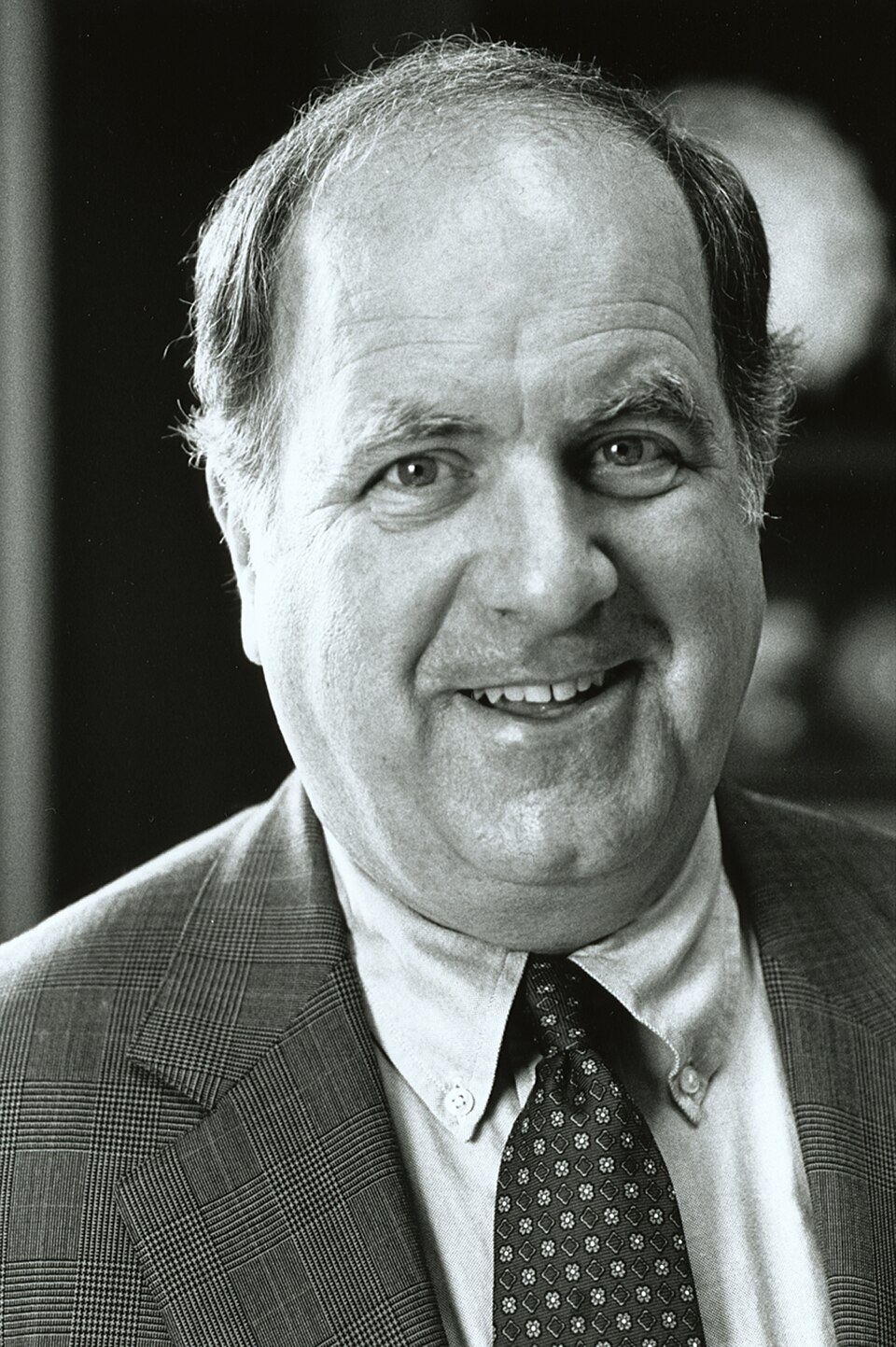
York County attorney John Spratt filed a Chapter 11 bankruptcy petition in the late 1970s that freed Tega Cay from restrictive covenants threatening to collapse the Lake Wylie community.
The Tega Cay Historical Society published the account Tuesday, Aug. 25, drawn from a 1999 video interview that archivist Phil Glennon conducted with Spratt. In it, the former congressman describes how he argued the covenants were an executory contract that could be rejected in bankruptcy.
The legal theory had no clear precedent at the time.
The bankruptcy court agreed with it anyway, approving a reorganization that replaced the original covenants and created a Property Owners Association for the first time.
Covenants built to fail
Tega Cay began when Charlotte builder Charles C. Ervin acquired 1,540 acres on the Lake Wylie peninsula in a joint venture with Crescent Land and Timber Corporation, Duke Power's land-holding subsidiary. Ervin envisioned a South Pacific-themed resort community after flying over the lake on his way home from a Pacific vacation.
To meet a federal filing deadline under the Interstate Land Sales Full Disclosure Act, Ervin hired Augusta, Georgia attorney Zach Everett to create the development's entire legal framework. Everett had previously represented Charles Fraser in building Sea Pines Plantation at Hilton Head.
"In about 30 days time he created a legal structure that became Tega Cay, including the declaration of restrictive and protective covenants that later became the bane of its existence," Spratt said in the 1999 interview.
Those covenants contained two fatal flaws, according to Spratt. They deliberately omitted a Property Owners Association. And they locked in fixed monthly fees: $10 for security and road maintenance, $15 for an amenities package covering club membership, marina slips, daycare, lawn care, tennis courts and the golf course. No inflation adjustment was allowed until at least July 1975.
Spratt said the low fees were a marketing tool. Ervin wanted to build sales volume fast enough to take the company public or sell to a larger buyer. WBTV Channel 3 and The Charlotte Observer each built a home in Tega Cay as part of the aggressive marketing push.
A snowy drive to Columbia
The strategy worked for sales but not for finances. Ervin sold the development to American Cyanamid, which then sold it to Tega Cay Associates, a limited partnership. By the mid-1970s, the partners had invested several million dollars and concluded the covenants made the operation unworkable.
Spratt took on the case around 1976 or 1977 after the partners, who were acquaintances of his, called asking for help. He filed the Chapter 11 petition with co-counsel from Boston firm Hale and Dorr.
The filing itself became its own story. The petition arrived by air express from Boston on a snowy day near the holidays. Spratt recalled the scene: "You know what a little bit of snow is like around here. It's enough to clog everything up. I didn't think we were going to be able to get there." A colleague named Bill drove them in his truck with snow treads to the Charlotte airport, where they picked up the documents from FedEx, then continued to the federal courthouse in Columbia before the 5:30 p.m. Friday deadline.
A new legal framework
The homeowners association, led by Tony Tarulli, cooperated with the reorganization. Residents had reached their own conclusion that the original covenants had to go.
Spratt's preferred approach would have rejected only the municipal-services covenants while preserving a modified amenities agreement. That plan was not followed. Both assessments were rejected, and a third developer acquired the property under a reorganization order that imposed an entirely new covenant structure, including a Property Owners Association for the first time.
A separate, later bankruptcy by Point Wylie Company in January 1981 ultimately prompted residents to pursue incorporation. On April 17, 1982, more than 400 of roughly 500 voters approved the measure. Tony Tarulli was elected Tega Cay's first mayor on June 19, 1982, and the city was sworn in as South Carolina's 267th municipality on July 4, 1982, with a population of 2,182.
The account is part of the Historical Society's Phil Glennon Video Clips series, published by founder Scott Miller, a Tega Cay resident since 2005. Spratt went on to serve in the U.S. House of Representatives, where he also played a central role in resolving the Catawba Indian land claim that had clouded property titles across the region for 17 years.