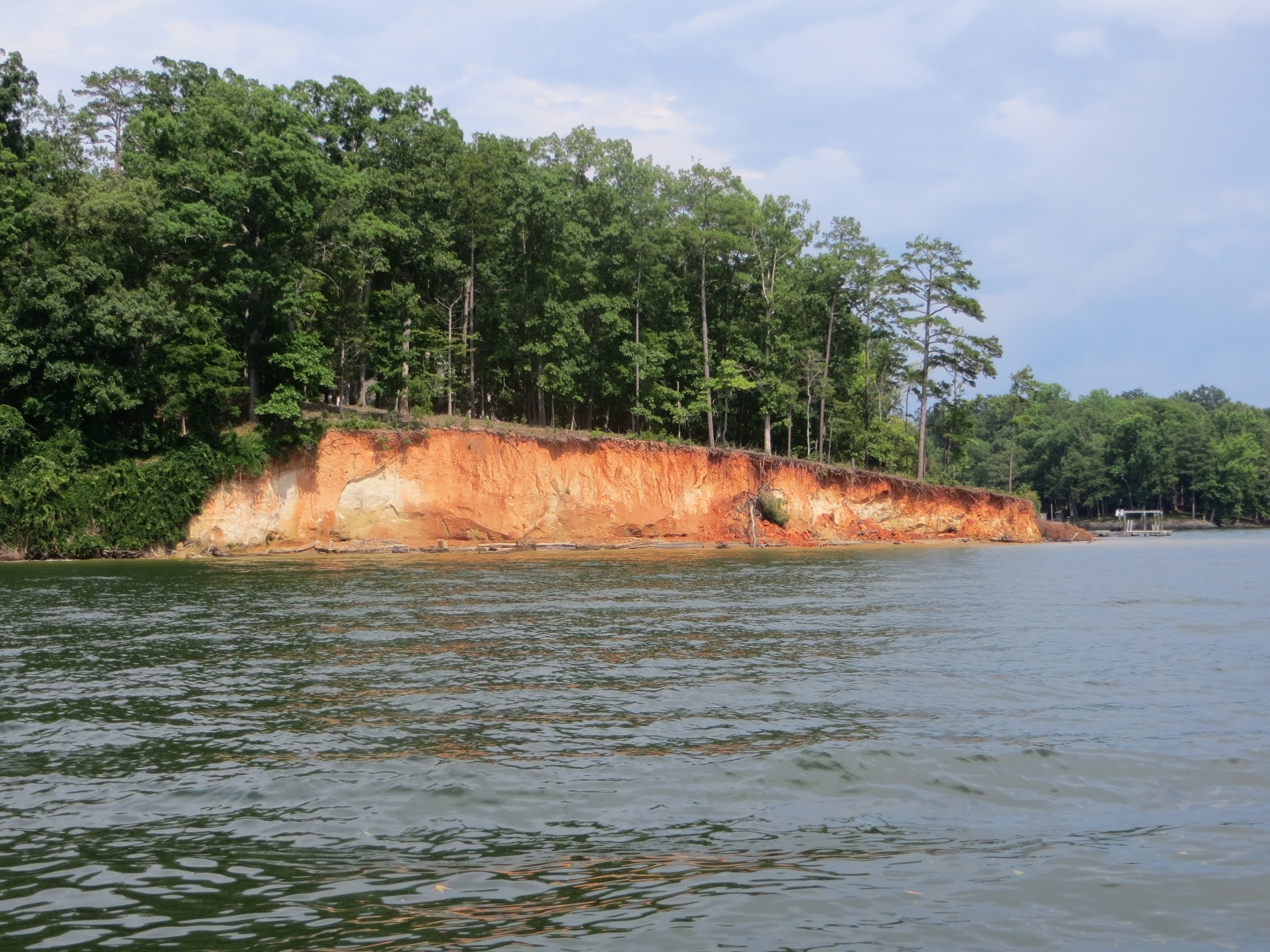
Lake Wylie could lose federal Clean Water Act protections under a proposed rule change that redefines which waterways the law covers.
The U.S. Environmental Protection Agency (EPA) and the U.S. Army Corps of Engineers published a supplemental proposed rule on Sept. 9 that would limit federal jurisdiction to waters containing water year-round. The 30-day public comment period closes Friday, Oct. 9. Comments can be submitted through Regulations.gov under Docket No. EPA-HQ-OW-2025-0322.
The Natural Resources Defense Council (NRDC), using GIS mapping, identified Lake Wylie among areas poised to lose protections, as first reported by WCNC Charlotte. Charlotte, Gastonia and several mountain communities also appear on the NRDC's at-risk list. The NRDC's map does not specify whether the lake itself or surrounding wetlands and tributaries face the greatest risk.
The proposal stems from the U.S. Supreme Court's 2023 ruling in Sackett v. EPA. But the NRDC's analysis concluded the EPA's proposed rule would go further than the court required, stripping protections from at least 86 percent of the nation's freshwater wetlands. Under the supplemental proposal, any water body that dries up for more than 30 consecutive days in a year would lose its protected status.
The stakes are local. Erin Carey, deputy director of North Carolina's Sierra Club, said in August that the changes would hit the Charlotte region hard. The area's drinking water flows from the headwaters of the Catawba River, she said, and depends on upstream wetlands to stay clean.
"Fisheries are also in danger when wetlands are harmed because so many of our fish start in wetlands," Carey told WCNC in August. "So, if those wetlands aren't there, those fish can't grow and become larger fish."
Carey also pointed to flooding. Rapid development has filled in wetlands across the region, she said, and a few inches of rain can now flood neighborhoods and close stretches of I-77 and I-85.
EPA Administrator Lee Zeldin said in a statement that the agency seeks a lasting definition of protected waters that follows the law and reduces regulatory uncertainty. More than 242,000 public comments had already been submitted on the broader rulemaking as of early October, according to Brownfield Ag News. The definition of "waters of the United States" has undergone five federal rulemaking changes since 2015.
No timeline for a final rule exists. The EPA and Army Corps are expected to publish one after reviewing comments.